Knowledge library
Childhood, adolescence, creative materials and psychological approaches. Read explanations, consider examples and build a deeper understanding.
 01
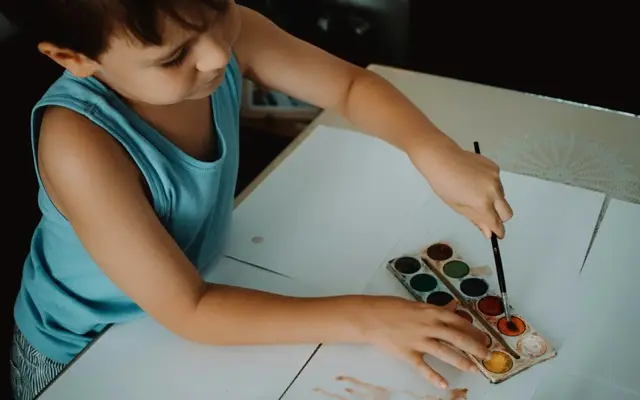
Art therapy for children: from the first concern to reviewing change
How child art therapy works, how needs vary with age, and how families can assess support without testing drawings.
Read article · 5 min read ↗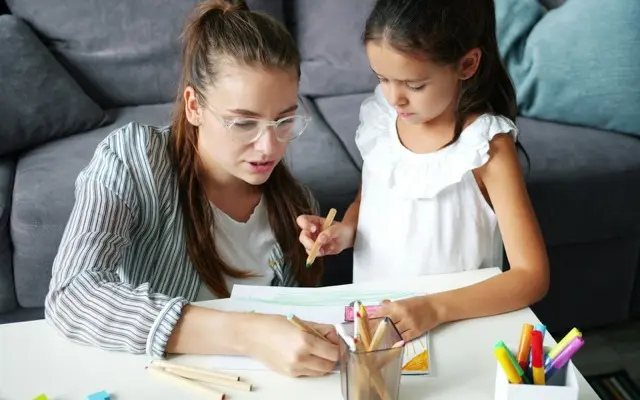 02
Parents alongside: supporting creativity without pressure
A practical guide for mothers, fathers and carers: creating together, boundaries, conflict, privacy and working with a psychologist.
Read article · 5 min read ↗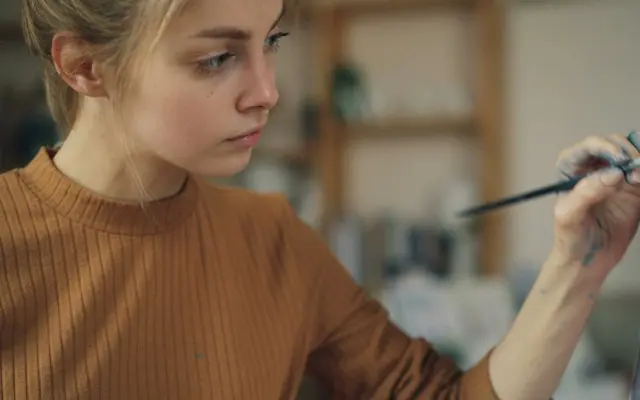 03
Art therapy for adolescents: identity, autonomy and a voice of their own
Creative support for young people that respects privacy, relationships, school and digital culture: guidance for parents and professionals.
Read article · 4 min read ↗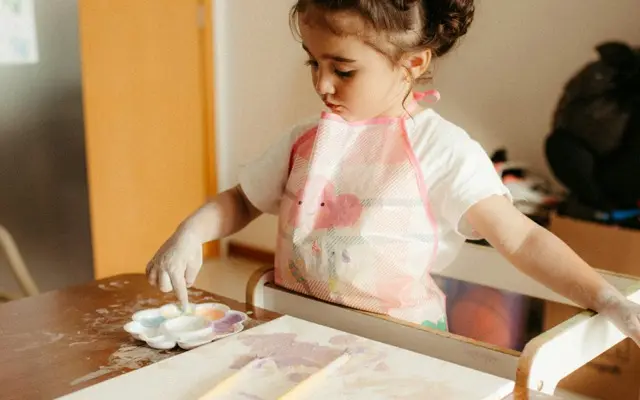 04
Creative participation across childhood: preschoolers, schoolchildren and teenagers
Adapting support to experience and needs without rigid stages, comparisons or diagnoses based on drawings.
Read article · 4 min read ↗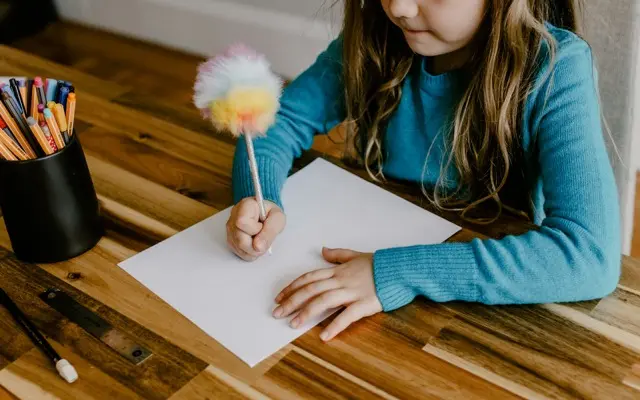 05
“I can’t draw”: supporting a child without arguments or grades
Practical conversations for parents and educators: clarifying needs, manageable choice, help without takeover and respect for refusal.
Read article · 4 min read ↗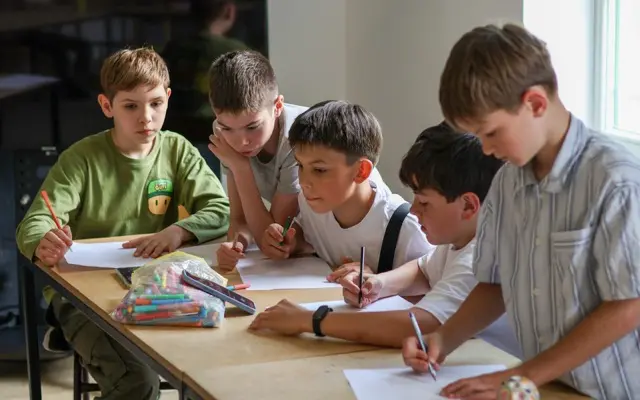 06
Art therapy in schools: supporting pupils without grading their pictures
Understanding school-based services and coordinating learning, privacy and individual participation needs.
Read article · 4 min read ↗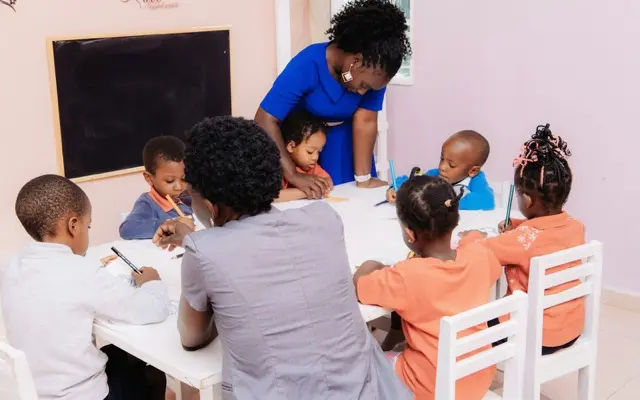 07
A children's creative group: a guide for educators, not a therapy protocol
Defining purpose, arranging materials and participation, respecting boundaries and ending without judging children through products.
Read article · 4 min read ↗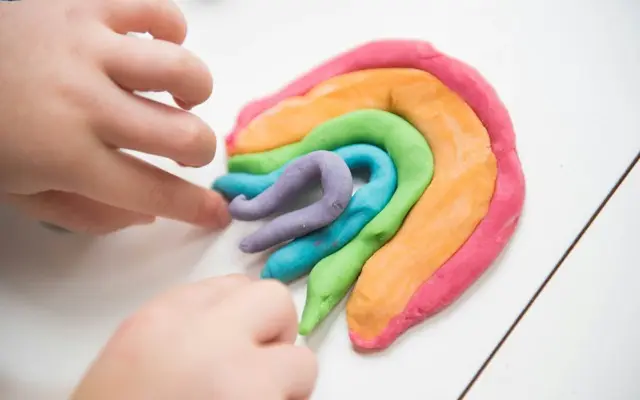 08
Sensory play and fine motor skills: what are we supporting?
Distinguish sensations, movement skills, creative play and professional care; choose activities and assess claims realistically.
Read article · 5 min read ↗ 09
Accessible art therapy for children and young people: culture, communication and neurodiversity
Discussing adjustments that support participation without requiring children to hide their differences.
Read article · 4 min read ↗ 10
What is art therapy?
Art, psychological support and the therapeutic relationship: an introduction to the essentials.
Read article · 5 min read ↗ 11
Creativity, art lessons and therapy
How to distinguish recreation, learning and professional psychological support.
Read article · 5 min read ↗ 12
How art therapy developed
A short historical route without the myth of a single founding moment.
Read article · 4 min read ↗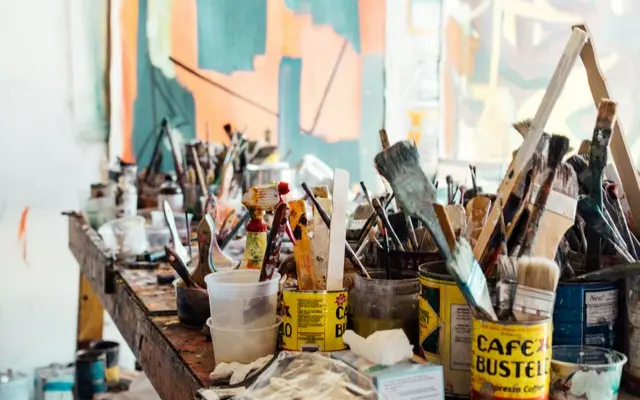 13
Approaches in art therapy: why the same material can mean different work
Distinguishing theoretical orientation, format and technique, with questions that make a practitioner's proposal clearer.
Read article · 5 min read ↗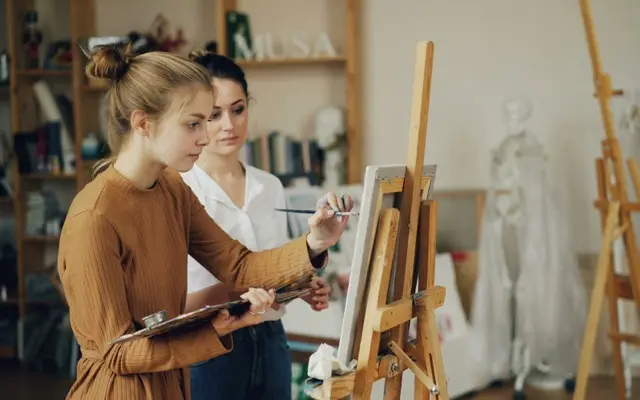 14
Your first art therapy session: from introductions to a shared plan
What to prepare, how to discuss needs and discomfort, and how to evaluate the beginning of therapy.
Read article · 4 min read ↗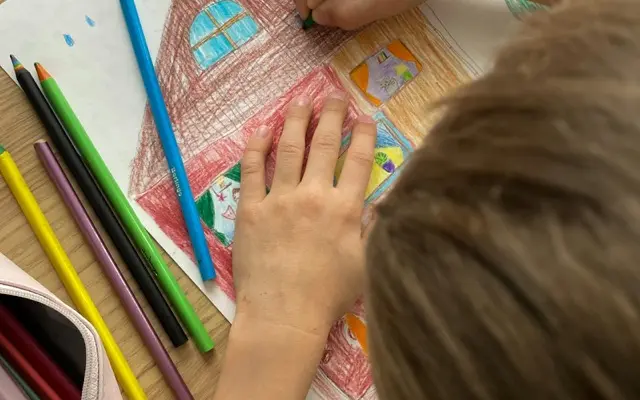 15
Drawing: a line as a starting point
Simple ways to explore materials without judging artistic results.
Read article · 5 min read ↗ 16
Collage: choosing, combining, changing
A creative format for anyone who would rather not start with a blank page.
Read article · 5 min read ↗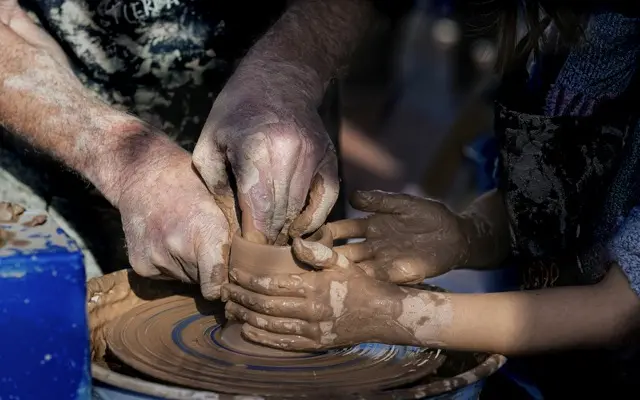 17
Clay and modelling: exploring volume
Organising a simple exploration of form with attention to comfort and materials.
Read article · 5 min read ↗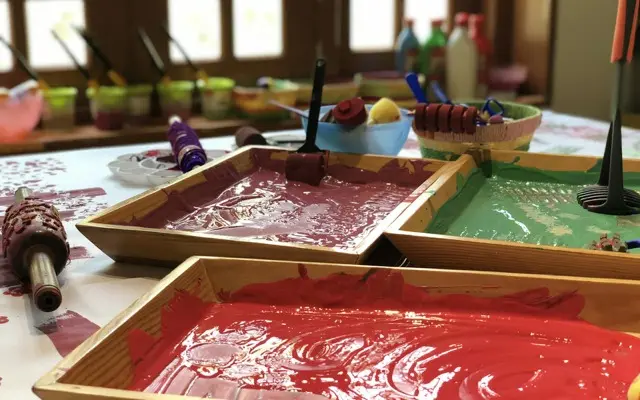 18
Materials for art therapy and creative play: choosing thoughtfully
Pencils, paints, collage and three-dimensional materials: properties, access, space and the limits of product claims.
Read article · 5 min read ↗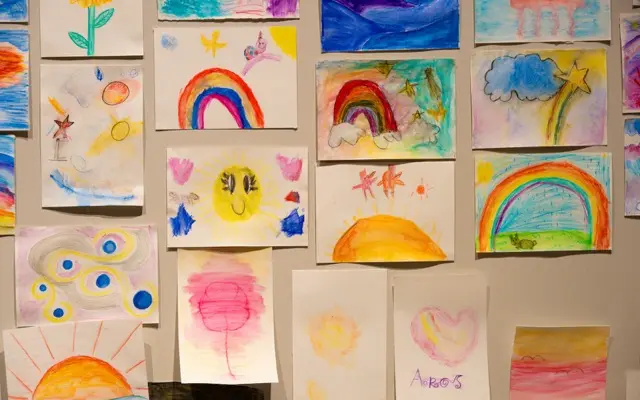 19
What does a drawing mean? Conversation instead of decoding
How to discuss images thoughtfully, distinguish observation from inference, and avoid diagnoses based on colour, symbols or composition.
Read article · 5 min read ↗ 20
Trauma-informed creativity: safety, choice and the limits of support
What it means to consider traumatic experience in creative spaces, without forced recollection or promises that an exercise will heal.
Read article · 5 min read ↗ 21
Privacy and consent: what happens to your words and artwork
A practical guide to participation, children's privacy, image storage and permission to share creative work.
Read article · 4 min read ↗ 22
How to choose an art therapist: qualifications, experience and fit
A practical way to check a practitioner and compare services without relying on impressive promises.
Read article · 4 min read ↗ 23
How to read art therapy research: from headline to careful conclusion
Comparison groups, effect sizes, uncertainty and the difference between an enjoyable experience and demonstrated change.
Read article · 4 min read ↗ 24
Evidence and limits of art therapy: what can responsibly be claimed
A clinical example, the difference between a recommendation and a guarantee, and decisions when evidence is incomplete.
Read article · 4 min read ↗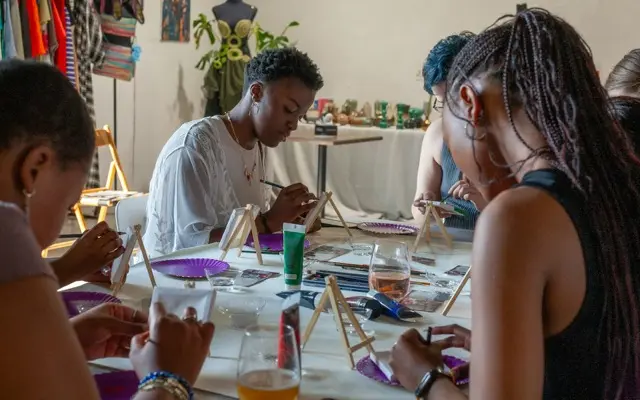 25
How art therapists train: education, supervision and credentials
Understand the US professional pathway and learn to ask precise questions about any training programme.
Read article · 4 min read ↗ 26
Making sense of AATA: a guide to professional knowledge
A way to distinguish professional standards, research, educational resources and personal stories, rather than simply a list of links.
Read article · 3 min read ↗ 27
Psychodynamic art therapy: the image within a relationship
Unconscious experience, associations and interaction without decoding a person from a drawing.
Read article · 4 min read ↗ 28
Person-centred art therapy: authorship of experience
Empathy, acceptance and meaningful choice within a humanistic approach.
Read article · 4 min read ↗ 29
The Expressive Therapies Continuum: a practical conceptual map
Movement, sensation, form, feelings and symbols: understanding children’s and adolescents’ creativity through ETC without brain myths.
Read article · 4 min read ↗ 30
Group art therapy and the open studio
How purpose, membership and interaction differ even around the same table.
Read article · 4 min read ↗ 31
Online art therapy and digital materials: assessing the format
Video meetings, tablet drawing, privacy at home and practical agreements to clarify before starting.
Read article · 4 min read ↗ 32
Art therapy, grief and loss: room for experience without demands to “let go”
Discussing creative support, respecting personal pace and distinguishing professional interest from evidence of effectiveness.
Read article · 4 min read ↗ 33
A cognitive-behavioural perspective: thoughts, actions and images
How visual methods can support cognitive-behavioural work, and why evidence for CBT does not automatically validate any creative activity.
Read article · 4 min read ↗ 34
Narrative approaches and visual storytelling: who authors the story?
Identity, externalising, alternative stories and cultural context in image-based work, without manufacturing a happy ending.
Read article · 4 min read ↗ 35
Attachment and relationships in art therapy: looking at interaction
A secure base, expectations of others, mentalizing and shared creativity: what a relational lens explains and what research has tested.
Read article · 4 min read ↗No results. Try another word.