Name the group you actually offer
Educators can organise learning, creative recreation or shared projects. Drawing emotions or playing calming music does not turn these into art therapy. Explain the actual purpose to families and children: exploring materials, trying collaboration or making personal images. Do not promise treatment of anxiety, trauma or behavioural difficulties through an ordinary club. Imagine an advertised art workshop that unexpectedly asks for painful memories. That changes the agreed activity; personal disclosure should not be a condition of creative participation. Honest description helps families choose the service they intend to attend.
Plan conditions before the finished result
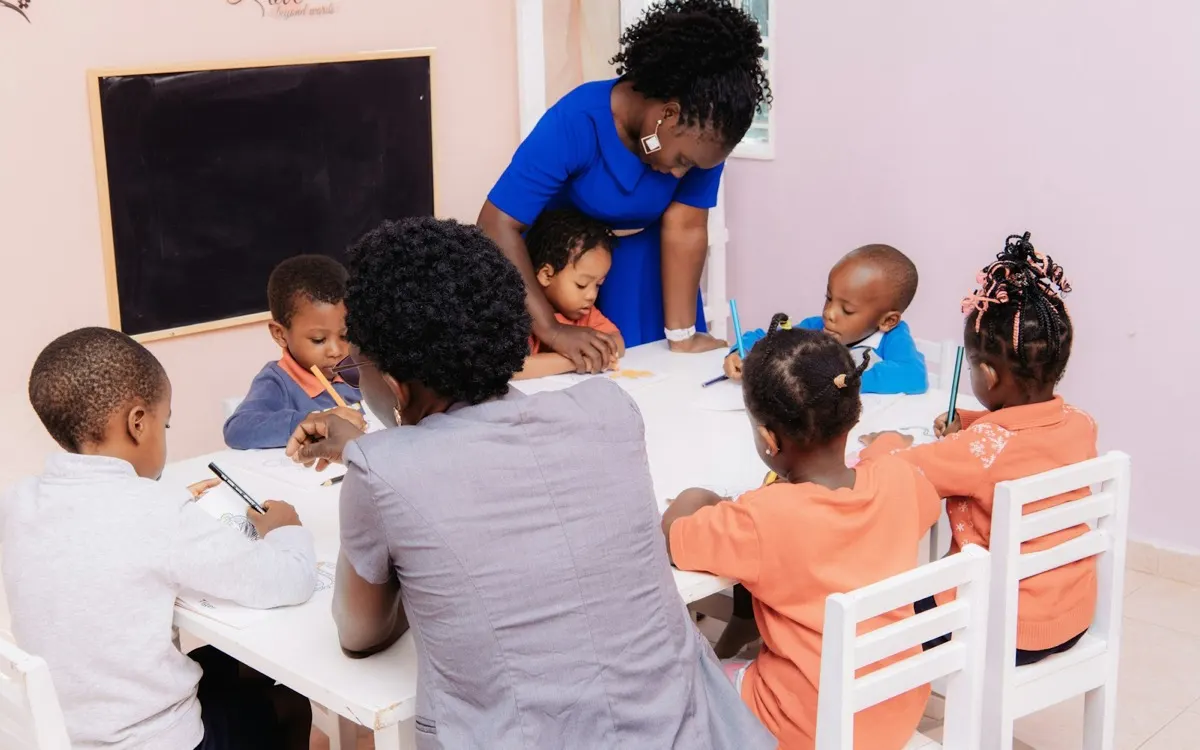
Begin with age, adult staffing, space, support needs and safe material use. Ask about allergies and relevant adjustments through the institution's process rather than collecting unnecessary personal information in group chats. Imagine a large shared collage with insufficient table space for one participant. Change the arrangement or format first. Consider water, cleanup, storage and understandable arrival and departure procedures. A realistic plan cannot depend on every child working identically and simultaneously. Check what the adults can actually supervise instead of choosing complexity solely for impressive photographs afterwards.
Offer purpose without one compulsory model
NAEYC describes process-focused creativity through exploration of tools, materials and personal decisions rather than identical copies. Ask whether today's priority is a skill or room for varied outcomes. In an invented group about lines, demonstrate a tool without specifying what must appear on every page. A demonstration need not become a final model. If teaching a particular skill, say so and keep difficulty manageable. Open creativity should not become a hidden competition to resemble the adult's work. Different results can be consistent with the same clear educational purpose.
Participation needs meaningful options
UNICEF's adolescent-group guidance cautions against forced participation and encourages adapting activities to abilities. Plan acceptable ways to start slowly, observe or pause alongside the main activity. Imagine a child wanting a separate sheet beside the group. Discuss whether this is possible rather than immediately concluding that collaboration skills are lacking. Choice does not remove safety rules. Explain that declining to show artwork is allowed, while taking others' materials or photographing people requires agreement. An alternative should be genuinely usable, not a punishment disguised as a choice for reluctant participants.
Support interaction without ranking people
Agree how to share materials, request help and comment on work. Imagine someone calling another child's drawing “babyish.” Stop the demeaning comment and return to respect without publicly analysing personalities. Do not require the artist to defend their picture to the group. Avoid rankings such as “most talented” or “neatest” when the goal is exploration and access. Notice specific collaborative actions without creating another contest for approval. Shared work can include different roles and separate outcomes; being part of the group does not require every child to make the same contribution.
When personal material emerges
A child may volunteer something important or concerning. Listen calmly, avoid demanding details publicly and do not promise absolute secrecy. Follow institutional safeguarding procedures and involve responsible professionals when needed. An ordinary creative group is not a place for educators to conduct trauma therapy independently. If a child says they are afraid to return home, respond appropriately to the statement rather than interpreting drawing symbols. Establish beforehand who handles concerns and how to escalate them. A prepared safeguarding route matters more than improvising psychological explanations during a busy session.
End without a compulsory exhibition
Allow time to tidy, decide what happens to work and offer brief voluntary feedback. Children can show a result, mention a detail or decline comment. Photos for a parent chat and website publication require separate arrangements; attendance alone is not permission for publicity. Afterwards evaluate organisation: material access, time, whose voice was missed and what to change. Identical completed products are not the only quality measure. A useful review makes the next meeting clearer and more accessible without claiming to grade children's inner lives or diagnose them through their creative decisions.